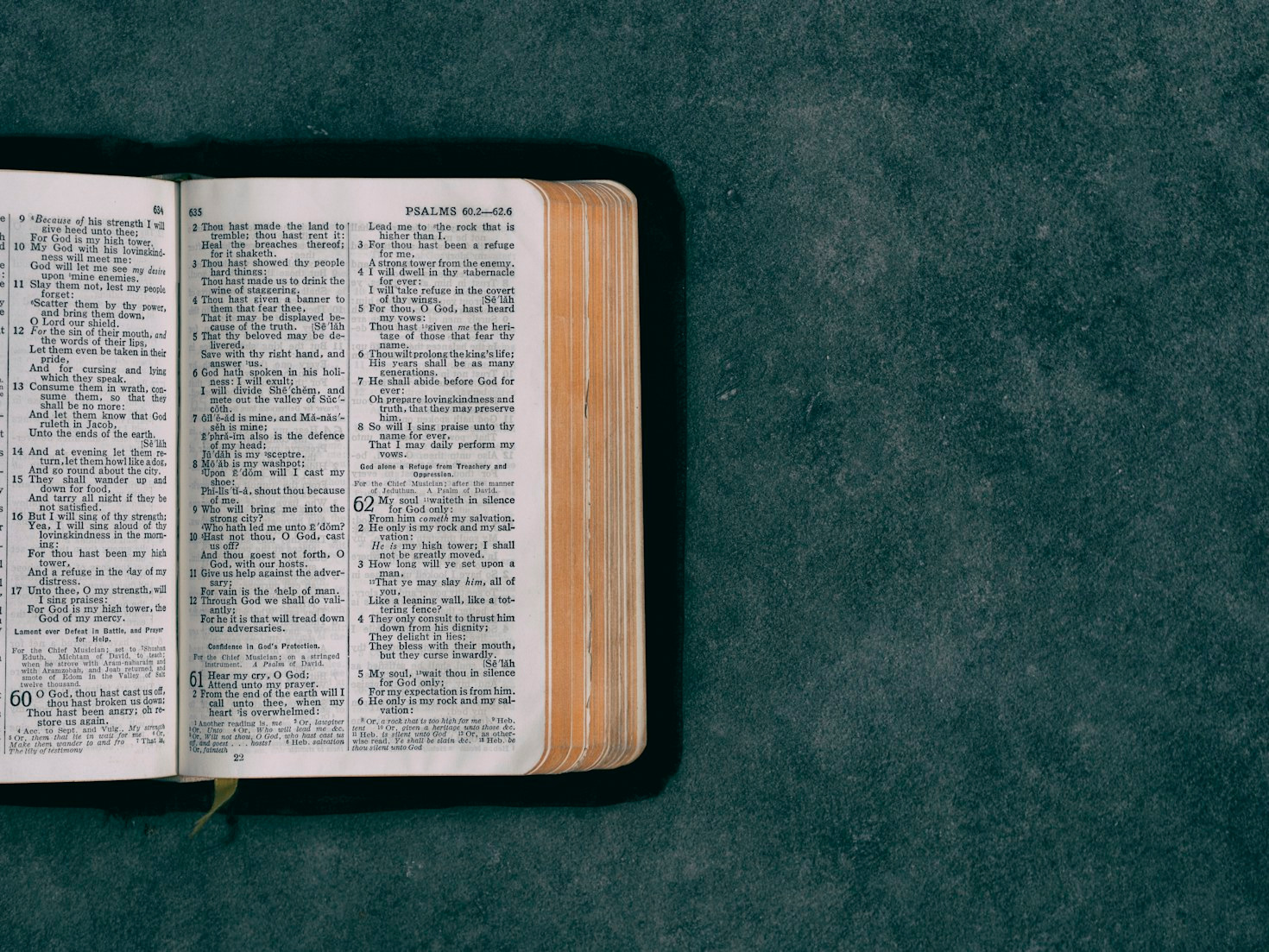
SCRIPTURE Titus 3:5 “Not by works of righteousness which we have done, but according to his mercy he saved us, by the washing of regeneration, and renewing of the Holy Ghost”
COMMENTARY This verse is often cited by proponents of eternal security, yet they may misinterpret it when viewed in the broader context of Scripture. While the term “saved” (Greek sozo) is in the perfect tense, indicating a completed action with ongoing effects, it does not guarantee future security. It is an illogical leap, especially with all the warnings in Scripture to Christians, to assume that salvation will be maintained regardless of how we exercise our God-given free will. Throughout the Bible, what a person does after coming to Christ is portrayed as vital to their salvation. Paul’s admonitions to the believers in Ephesus and Galatia, for instance, clearly indicate that believers cannot live any lifestyle they choose after receiving Christ and still expect to inherit eternal life (see also Romans 6:15–22).
While there is no doubt that God does regenerate us (circumcision of the heart), our free will remains in play as demonstrated by the fact that a circumcised heart can be overridden by the flesh (otherwise we would never sin after coming to Christ). This is also the reason for the warnings to follow the Spirit and not the flesh. If there was no choice but to follow the Spirit, these warnings are emptied of their doctrinal force.